The columns of Delos rise from a bare, sunlit island just beyond Mykonos, but arriving well is what turns a visit into a memorable day. This Delos archaeological cruise guide is for travelers who want more than a quick stop: private space on the water, time to understand the sacred island, and a beautiful swim in the clear Aegean afterward.
Delos is one of the Cyclades’ most extraordinary places. Once a major religious, commercial, and cultural center of the ancient Greek world, it feels remarkably open and immediate from the moment you step ashore. The trade-off is that it is exposed, warm, and best enjoyed with thoughtful timing. A private cruise gives your group the freedom to build the day around those realities rather than around a crowded ferry schedule.
Why Visit Delos by Private Boat?
A private boat changes the rhythm of a Delos visit. Instead of organizing taxis to a harbor, waiting in a public-boat queue, and returning on a fixed timetable, your captain can arrange a departure that fits your stay in Mykonos and the day’s sea conditions. For guests at villas or hotels around Ornos, Tourlos, Psarou, Paraga, Platys Gialos, or Elia, island-wide pickup arrangements can make the morning feel wonderfully simple.
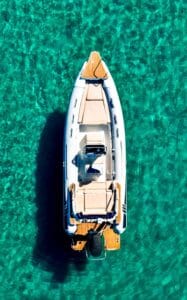
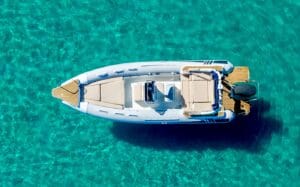
The crossing itself is part of the experience. Mykonos slowly recedes behind you, the low shapes of Rhenia come into view, and Delos appears with its ancient harbor facing the sea that made it prosperous. On a private RIB, catamaran, or yacht, there is room for your own group to settle in with towels, cold drinks, shade, and attentive hosting rather than sharing the journey with strangers.
Private does not mean rushed. It means the itinerary is designed around your priorities. A couple may prefer a calm early departure and a long swim after the ruins. A family may want a measured archaeological visit with snacks and a gentle return. A group celebrating in Mykonos may combine Delos with Rhenia’s turquoise water, gourmet Greek specialties, wine, and time to enjoy the boat together.
Planning Your Delos Archaeological Cruise
Start with the site schedule, not the swim plan
Delos is a protected archaeological site with opening hours, entry rules, and occasional schedule changes that can vary by season and official operations. Your cruise should be planned around the time you are permitted to disembark and visit the site. Tuesdays and certain holidays have traditionally affected access, so confirm the current schedule before setting your heart on a particular date.
This is also why a local captain is valuable. Sea conditions, wind direction, and harbor access matter in the Cyclades. A polished itinerary leaves room to adjust departure timing, pickup point, or the order of the day’s stops when the Meltemi winds become a factor. Flexibility is a mark of good planning, not a compromise.
Choose a guide if history is central to your day
Delos is visually striking on its own, but the site becomes far richer when its streets, sanctuaries, houses, markets, and mosaics have context. A licensed archaeological guide can explain why this small island became sacred to Apollo and Artemis, how its harbor connected the Mediterranean, and what daily life looked like in its residential quarters.
A boat captain can share invaluable local knowledge about the coastline and conditions, but archaeological interpretation is a separate specialty. If you are fascinated by ancient Greece, reserve a qualified guide in advance and allow enough time ashore to listen rather than simply photograph landmarks. If your group prefers a lighter visit, a self-guided walk and a shorter stop can still be deeply rewarding.
Allow more time than you think
The site is larger than many first-time visitors expect. The Terrace of the Lions, ancient theater quarter, Sacred Lake area, and waterfront ruins are spread across uneven, exposed ground. For most guests, two to three hours ashore provides a satisfying introduction without turning the excursion into an endurance test.
The exact length depends on your pace, the heat, and whether you have a guide. Travelers who love archaeology may want a fuller morning at Delos. Those traveling with young children, or anyone visiting during the hottest part of summer, may be happier with a focused route followed by a refreshing stop at Rhenia.
What to See on Delos
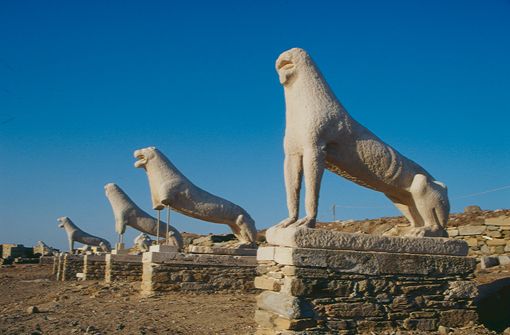
The Terrace of the Lions is Delos’ most recognizable image, with marble lions facing the former Sacred Lake. It is worth seeing, but do not make the mistake of treating it as the whole island. Delos rewards unhurried wandering. Look for the remains of elegant homes, narrow streets, public buildings, and the traces of merchants who once moved through this busy port.
The House of Dionysus is especially memorable for its mosaic floors, while the theater district offers a more intimate sense of how residents lived beyond the great sanctuaries. The archaeological museum, when operating, adds another layer through sculpture and artifacts recovered from the island. Conditions and access can change, so it is wise to treat any museum visit as a welcome addition rather than the only reason for your trip.
Photography is exceptional in the early part of the day, when the light is softer and the stone has not yet absorbed the full heat of the afternoon. Bring a phone or camera, but keep some time unstructured. Delos is one of those rare places where the sound of wind across ancient marble can hold your attention longer than any planned photo stop.
What to Wear and Bring
Delos has little natural shade, and the paths can be rocky. Comfortable walking shoes with a secure sole are far better than flip-flops for the site itself. A hat, sunglasses, and high-SPF sunscreen are essential, even on a breezy day. Bring a light cover-up for the boat ride, particularly early or late in the season.
Carry water ashore and keep your valuables simple. Your crew can look after larger personal items on board, while towels, snorkeling equipment, and chilled refreshments are ready for the relaxed part of the cruise. If you plan to swim at Rhenia, wear a swimsuit under easy layers so the transition from archaeology to sea feels effortless.
Respect the site while you visit. Stay on designated paths, do not climb on ruins, and follow all current instructions from archaeological staff. Delos has survived for thousands of years because it is protected. A thoughtful visit preserves that experience for the next guests who arrive by sea.
Add Rhenia for the Perfect Contrast
After the sun-washed stone of Delos, Rhenia feels almost unreal. Its sheltered coves, brilliant water, and quiet coastline create the ideal counterpoint to a morning of history. Depending on the weather, your captain can select a comfortable anchorage for swimming, snorkeling, lunch, and an unhurried glass of wine.
This combination is where a private charter shines. You are not choosing between culture and relaxation. You can walk through one of Greece’s most significant ancient sites, then rinse off in crystal-clear water away from Mykonos’ busiest beaches. With food, drinks, Wi-Fi, safety equipment, and onboard hospitality arranged in advance, the day remains generous rather than logistical.
Sunray Boat Rental Mykonos can tailor this balance for private groups of up to 10 guests, whether the priority is a guided Delos visit, a long Rhenia swim, a birthday lunch at anchor, or a sunset return along the Mykonos coast.
A Few Practical Booking Details
Entry tickets to Delos, licensed-guide services, and official site access are separate considerations from the boat charter and should be confirmed when planning your date. Ask about the current opening hours, the intended time ashore, pickup options, and what happens if weather requires a route adjustment. Clear answers matter more than a rigid promise in the Aegean.
For a half-day experience, Delos and a shorter swim stop can work beautifully when conditions are favorable and the site schedule aligns. A full-day charter is the more relaxed choice for travelers who want time to explore, dine, swim, and return without watching the clock. It is particularly worthwhile for families, larger friend groups, and anyone celebrating an occasion.
Book early for peak summer dates, especially if you require a particular boat, villa pickup, or an archaeological guide. The best itinerary is not necessarily the longest one. It is the one that gives your group enough time to feel the island’s history, enjoy the water, and return to Mykonos with the afternoon still glowing around you.